Archive for the ‘learn to invest in real estate’ Category

An amazing time to buy a foreclosure

Monday, February 27th, 2012

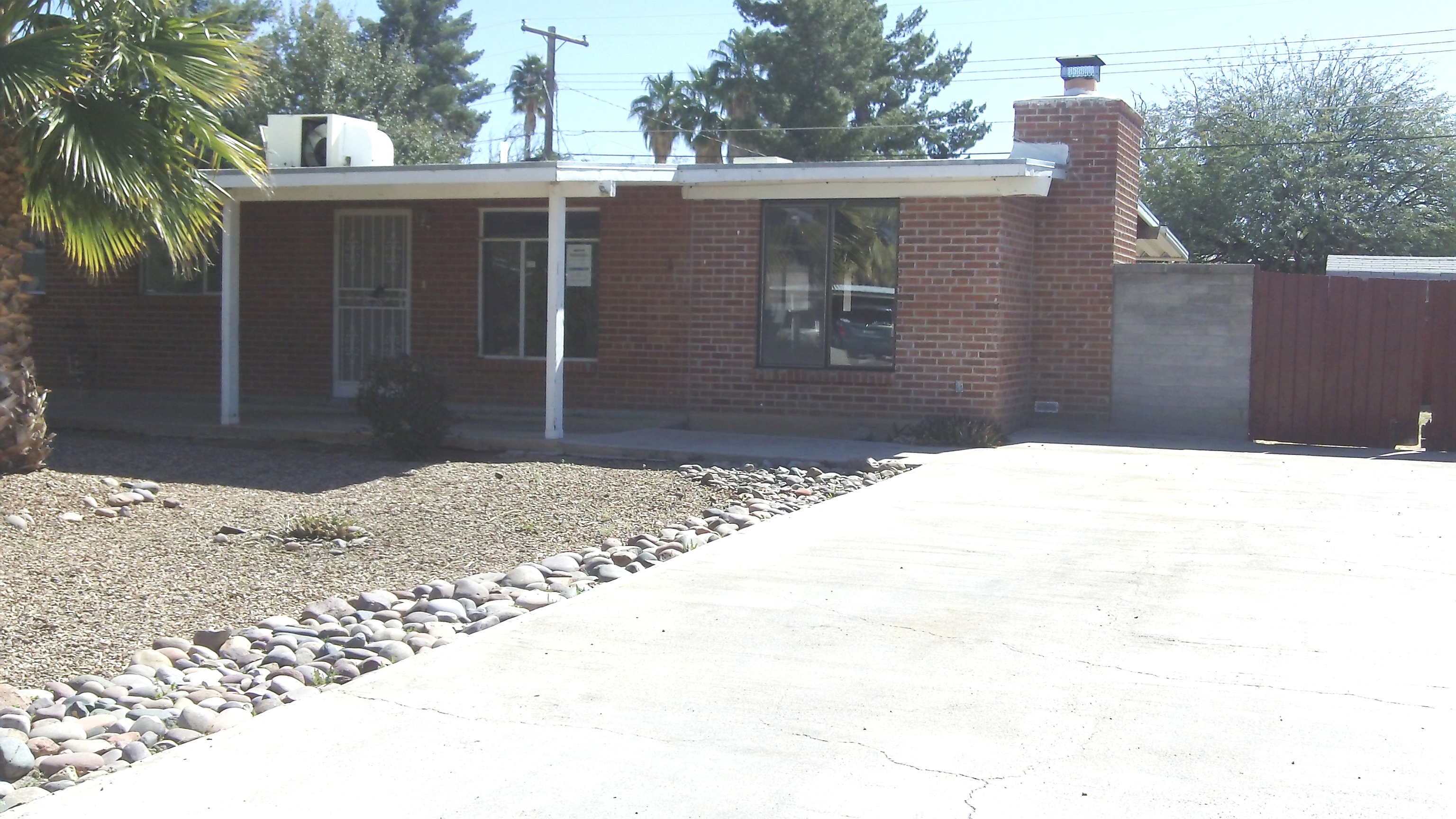
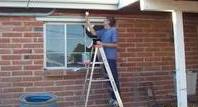
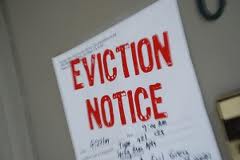
The past several months I have been searching for another investment/rental property to purchase, and have so far come up empty. Several times I found one, only to have it sold before I got my bid in. Today, I got my bid in on the above pictured foreclosure house. There are four bids on it and the bank will select one of us sometime this week.

The house is 3 bedroom, 1 bath, 1,400 sq ft, property in a nice neighborhood. The price is $53,000. It needs somewhere between $5,000 – $10,000 work to bring it up to rental condition, e.g., replacing sheet rock, electrical work, roof work, and flooring. It sold for $149,000 in 2006. I should be able to rent it for around $800/month. I’ll purchase with cash, if I get the house.

I would have preferred 2 bathrooms, but the house is in a good location and is otherwise a pretty good deal. I know several people with children who only have one bathroom and it works for them, even though I’m used to two.

Now is the time to take action

If you are just sitting on the fence, now is an opportune time to get into a investment house.

Of course, you must conduct a good inspection of the property either before you make the offer, or during the 7 to 10 day inspection period after your bid is accepted. Usually there are is no history of the property for you to examine, on foreclosures. It’s sold as is.

My main motivation is to that I can fairly inexpensively purchase a rental house, and it will provide me with an unusually large stream of income. I have other rental houses, but this new one will produce much more revenue because most of my income on the other properties goes to pay the mortgage company. Since I’m able to pay cash, this time all the revenue goes to me.

Rentals better than pensions

The great advantage of owning real estate property over having a pension is that your pension is fixed and what you get when you start it, is all you will ever get. For rental houses, the amount you receive from tenants goes up over time, with inflation, and you can never use it up.

The double win

It’s like being able to bet your money in Las Vegas, but then you get all the money that you lost back again when you leave. You get the monthly payments, like a pension. But, if you ever want to sell your investment house, you get the entire amount that you spent back again, and usually a lot more than that.


OTHER BLOG ARTICLES:

I encourage you to check out the insightful article How do you handle the whining tenants? over at landlordinvestor.com.

Share

Security in Retirement with Fixer-Uppers

Monday, February 20th, 2012

Are you like me and never socked much money away for retirement? We are not alone. The Employee Benefit Research Institute’s Annual Retirement Confidence Survey found that pre-retirees (Americans between the ages of 55 and 65) greatly underestimate how long they are likely to live and how much money they will need in retirement.

Experts say that we need to change our mindset from “assets” to “income” in retirement planning. It’s not enough to know how much money we have in savings; we need to know how much income our savings can generate over time.

There is no better way to change our mindset and our portfolio from “assets” to “income” than by investing in real estate. If we invest wisely before we retire, and can have a stable of reliable rental properties that generate steady monthly income. We can look forward to a retirement that provides security instead of uncertainty.


Don’t rely on politicians to provide you with retirement security. If you want it done right, you must do it yourself.

Share

Now is the Time to Start Meandering into Fixer Upper Houses

Tuesday, February 14th, 2012

Yep, that's me painting a fixer-upper house

If your circumstances are such that it is impossible for you to start investing in real estate today, you can start by just meandering in that direction. You can program your mind to pay attention to anything related to real estate. Cut articles out of the newspaper, buy books at book sales, ask friends and co-workers how they purchased their house, watch for free classes or seminars.

Start to Prepare Yourself

You can be constantly learning and preparing for the day you will purchase your first fix-up property. Virtually anything you need to know is available to you through books, audio recordings, workshops, seminars, public education programs, consultants and training programs.

I meandered for approximately 11 years before pur-chasing my first investment property. Now I wish I had started sooner, but you can’t begin until you have the desire and the knowledge. Sometimes, desire and knowledge can be acquired simply by observing someone else operating a suc-cessful business.

Reason to Not Invest and Reasons to Invest

There are always reasons not to invest in real estate. The most common reason used to be that people thought house prices were too high. Now, the situation has reversed itself and housing prices are at historic lows.

The time is ripe to start meandering in the direction of Fixer Upper Houses.

See What’s Happening in Your Neighborhood

You might want to check out how low houses are selling for in your neighborhood. You might be surprised.

You can find housing prices at Zillow.com or on the multiple listing service (MLS).

Share

Should you attend a real estate boot camp to learn about investing?

Thursday, September 27th, 2007

Yesterday, I received an email announcement inviting me to a real estate boot camp. It read,

The Ultimate Investor’s Bootcamp!

“You’ll Be Spoon-Fed Cutting Edge Tactics & Insider Secrets. And You’ll Walk Away Knowing Exactly How To Create Stunning Business Success & Vast Amounts of Positive Cash Flow.”

New investors must wonder, “Do I need to attend workshops like this to learn to invest in real estate?” It sounds tempting to be able to learn everything you need to know about investing in 2 days. Who wouldn’t want to take a shortcut like that?

My response is that you might learn some good techniques on investing at a bootcamp, but is it worth the money? I’ve been to free introductory presentations that say you will learn money making techniques about real estate investing, but it turns out to be a sales pitch to get you to sign up for an expensive “mentoring” program. Since the email with the above ad did not mention any price for the bootcamp, I imagine its not cheap. The important thing about bootcamps and mentoring programs is that you can spend a lot of money and only learn a little information. Worst of all, you can get roped into buying a program that sounds good, but may not be as good as it sounds.

My philosophy is more of a “do-it-yourself” approach. I like to cut corners, save money, and not take too many chances with my money. I’m the kind of guy who wears both a belt and suspenders to hold my pants up. I really like play it safe.

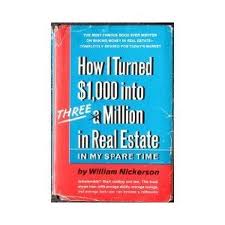
To get started in real estate investment, I would recommend starting by reading some of the excellent books that are available, such as “Investing in Real Estate” by Andrew McClean and Gary Eldred. I think you can learn more from reading a book like this than you can from going to expensive seminars. It provides information on many aspects of real estate that investors should know, without having a hidden agenda to get you to buy something more. I have mentioned other useful books in earlier blog postings, such as those by Jay DeCima, Bryan Wittenmyer and John Schuab.

You can also learn very useful information by taking real estate investing courses taught at local community colleges. I took one when I was just starting to invest, and it was outstanding. It was taught by a real estate agent who was an investor. The students learned all of the basics from someone who was actually investing in the same community where we would invest. I learned basic techniques that I am still using.

You learn by visiting a lot of houses and talking to owners and real estate agents. Practice calculating how much monthly payments would be for houses that you visit. Talk to other real estate investors. After you have a idea of how the process works, and when you can recognize a good deal from a bad deal, buy a low-priced fix-up house and learn to repair it as you go along. That’s what I did, and 7 years and 6 houses later I am still going strong.

Add to Technorati Favorites

 Subscribe in a reader

Share this: del.icio.us | Digg | Ma.gnolia | Reddit | Stumble Upon |

Share