Archive for the ‘fixer upper houses’ Category

Why You Must Own Certain Real Estate Books

Thursday, April 5th, 2012

The fixer-upper house business is a great business to be in these days. But, if you are just starting out, and are as green as a gourd, as I was, you need some help.

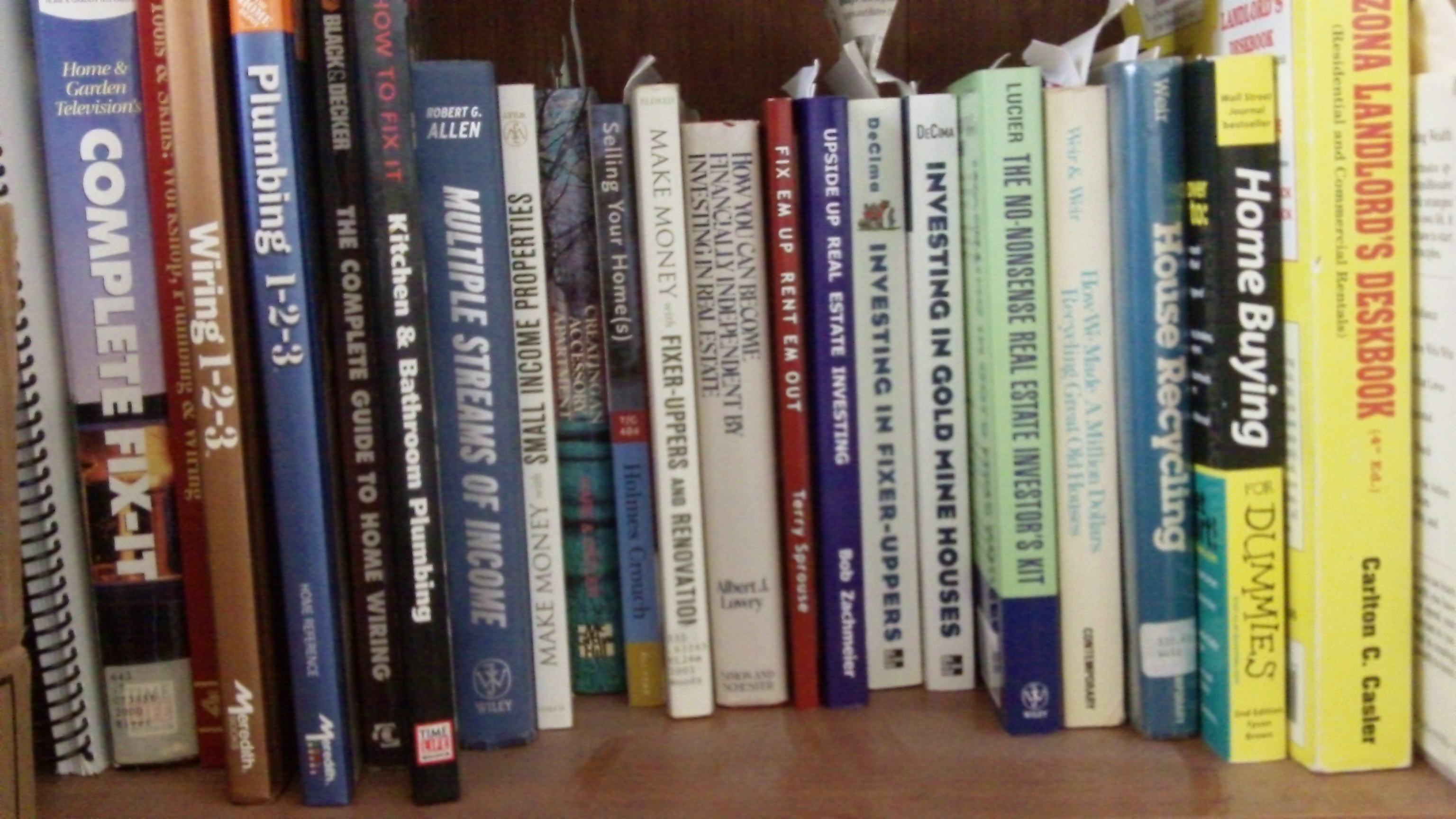
To speed up the learning processes, you need to have a collection of reference books on home repair, buying and selling houses, rental properties, tax law and all other aspects of real estate.

If a home without books is like a body without a soul, then a fixer-upper business without reference books is like a cook without a cookbook.

You may not know everything at the start of your new business and you may need help in some areas, especially in the initial stages. However, each time you pay to have someone do work for you, or go through some new process, you should observe everything, ask questions and learn the process.

That way, the next time you will be able to do it yourself, or at least perform a larger part of the project. The key is to keep doing things over and over until you master how it works. You will eventually reach a point where you make decisions of where to make repairs and which houses to buy based on your instinct.

Books will help you to reach that point sooner.

Here are some books that I have found particularly useful to have on hand:

1. Fix em Up, Rent em Out, by yours truly. Yes, believe it or not, I read my own book! Anyone who says otherwise, is just itching for a fight.

2. Investing in Fixer Uppers, by Jay DeCima. His first, and still my favorite, of his books.

3. Investing in Real Estate, by Gary Eldred.

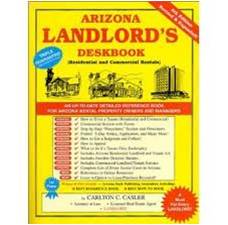
4. Arizona Landlord’s Deskbook (or the equivalent for your state.) by Carlton Casler.

5. Real Estate Debt Can Make You Rich, by Steve Dexter.

6. Wiring 1-2-3, by Home Depot

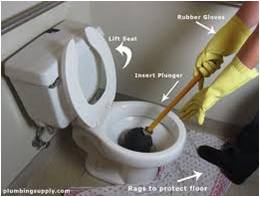
7. Plumbing 1-2-3, by Home Depot

8. Flooring 1-2-3, by Home Depot. Are you getting the impression that I like the Home Depot books?

9. Fix it Yourself Manual, by Reader’s Digest.

10. Upside Up Real Estate Investing, by Bob Zachmeier (teacher of the first real estate class that I took).

Share

How to learn to operate a fixer upper house business

Wednesday, March 28th, 2012

Learn the Ropes

My wife and I didn’t know much about repairing houses before we started our fixer-upper business, but like fine wine, we got better as time went on. One important rule in the fix-up profession is that you must constantly strive to become self-sufficient and learn all aspects of the profession. You must become an expert in your new business, even if you only do it part-time.

You can learn from others, but you have to rely on yourself to get ahead. Like the novice swimmer who is tossed in the pool, sometimes it’s sink or swim. You must learn by doing.

Trust Your Own Judgment

There are times when destiny forces you down a certain path in life. Other times, you make you own destiny by choosing to walk down a difficult path.

My plan when I bought my first fix-up house was that I could learn as I went along. I thought if others had learned to do it, so could I.

When I bought my fist fix-up house, it was like being stranded on a desert island. I was forced to learn new skills to survive, like Robinson Crusoe. The best way to learn new skills is by putting yourself in a situation where you are forced to change and adapt.

Before embarking on his life-transforming mission, the hero in the book Dune was advised, “Unless you change, something inside you sleeps.”

Foreclosure Update

The bank accepted someone else’s bid over mine for the foreclosed property that I bid on. My new target property is a 3 bed, 3 bath townhouse that is being offered for $69,900.

In this market, persistance is the name of the game. You just have to keep looking and keep bidding until you land a property at the price you desire.

Share

The Peaceful Warrior and Fixer-Upper Houses

Wednesday, March 7th, 2012

My wife and I were watching the movie the “Peaceful Warrior” Saturday night, and I was really inspired by the movie.

In a nutshell, one night when a gymnast, Dan, cannot sleep he wanders in to a service station and meets a mysterious man. Dan injures his leg in an automobile accident and the mystic helps the gymnast to overcome incredible odds and tap into new worlds of strength and understanding.

At the end of the film, Dan is trying out for the Olympics, after making a startling comeback from his accident. A teammate asks him if can share some tip that he has learned from his training with Socrates to help him do his routine. Dan tells him to get rid of the garbage in his mind, to just forget about winning and his parent’s expectations, and to just focus on the routine.

But, the teammate just doesn’t get it. He replies that he has to win the gold medal, and everyone is counting on him to win. If he loses, he will let himself, and everyone else down, and he’ll never be happy.

What’s really interesting is the expression on Dan’s face as he listens to his teammate, and his realization that he used to think exactly the same way.

How this relates to fixer-upper houses

The movie made me think about how the fixer-upper business is like being a peaceful warrior. The Peaceful Warrior said, “Service to others is the highest good.”

I don’t think its stretching things too far to say that we provide a service. We purchase properties that are worn out and shunned by society. We rehabilitate the houses, make them presentable again, and provide a nice place for people to live in.

Share

An amazing time to buy a foreclosure

Monday, February 27th, 2012

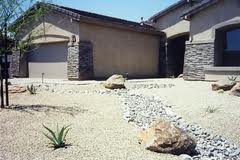
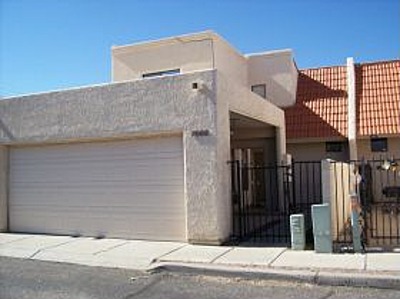
The past several months I have been searching for another investment/rental property to purchase, and have so far come up empty. Several times I found one, only to have it sold before I got my bid in. Today, I got my bid in on the above pictured foreclosure house. There are four bids on it and the bank will select one of us sometime this week.

The house is 3 bedroom, 1 bath, 1,400 sq ft, property in a nice neighborhood. The price is $53,000. It needs somewhere between $5,000 – $10,000 work to bring it up to rental condition, e.g., replacing sheet rock, electrical work, roof work, and flooring. It sold for $149,000 in 2006. I should be able to rent it for around $800/month. I’ll purchase with cash, if I get the house.

I would have preferred 2 bathrooms, but the house is in a good location and is otherwise a pretty good deal. I know several people with children who only have one bathroom and it works for them, even though I’m used to two.

Now is the time to take action

If you are just sitting on the fence, now is an opportune time to get into a investment house.

Of course, you must conduct a good inspection of the property either before you make the offer, or during the 7 to 10 day inspection period after your bid is accepted. Usually there are is no history of the property for you to examine, on foreclosures. It’s sold as is.

My main motivation is to that I can fairly inexpensively purchase a rental house, and it will provide me with an unusually large stream of income. I have other rental houses, but this new one will produce much more revenue because most of my income on the other properties goes to pay the mortgage company. Since I’m able to pay cash, this time all the revenue goes to me.

Rentals better than pensions

The great advantage of owning real estate property over having a pension is that your pension is fixed and what you get when you start it, is all you will ever get. For rental houses, the amount you receive from tenants goes up over time, with inflation, and you can never use it up.

The double win

It’s like being able to bet your money in Las Vegas, but then you get all the money that you lost back again when you leave. You get the monthly payments, like a pension. But, if you ever want to sell your investment house, you get the entire amount that you spent back again, and usually a lot more than that.


OTHER BLOG ARTICLES:

I encourage you to check out the insightful article How do you handle the whining tenants? over at landlordinvestor.com.

Share

Security in Retirement with Fixer-Uppers

Monday, February 20th, 2012

Are you like me and never socked much money away for retirement? We are not alone. The Employee Benefit Research Institute’s Annual Retirement Confidence Survey found that pre-retirees (Americans between the ages of 55 and 65) greatly underestimate how long they are likely to live and how much money they will need in retirement.

Experts say that we need to change our mindset from “assets” to “income” in retirement planning. It’s not enough to know how much money we have in savings; we need to know how much income our savings can generate over time.

There is no better way to change our mindset and our portfolio from “assets” to “income” than by investing in real estate. If we invest wisely before we retire, and can have a stable of reliable rental properties that generate steady monthly income. We can look forward to a retirement that provides security instead of uncertainty.


Don’t rely on politicians to provide you with retirement security. If you want it done right, you must do it yourself.

Share

Property Inspection and Due Diligence

Saturday, January 28th, 2012

Although I used my handyman friend to inspect the first fixer upper house that I bought, in later houses I hired a professional property inspector to go through the house and to provide me with a complete inspection report.

The Value of the Inspector’s Report

The inspector’s report can be used to help you negotiate a lower price on the house if they uncover anything in the house that is in need of repair. Hiring a qualified property inspector is a good way to make sure that you are really getting what you pay for in a house.

Due Diligence Allows You to Correct Deficiencies

Once you have made an offer on a house and it had been accepted by the seller, the “due diligence” period begins and you have until the close of escrow (or completion of the sale) to check out the physical and financial condition of the property. If you discover that the property has problems, but you think the deal is still worth pursuing, the seller may be willing to correct any deficiencies, or give you money to complete the necessary work yourself.

Two Key Components of Due Diligence

There are two key components of due diligence process:

1. Review of books and records
In my case, there are usually no records to review. Most of the houses that I buy have been repossessed by a bank, the Veterans Administration or HUD, and the owner is long gone.

2. The physical inspection
When there is no owner present this makes the physical inspection all the more important.

The due diligence period is your last opportunity to either:

1.) complete the transaction, or

2.) cancel the escrow, have your money returned, and look for another property.

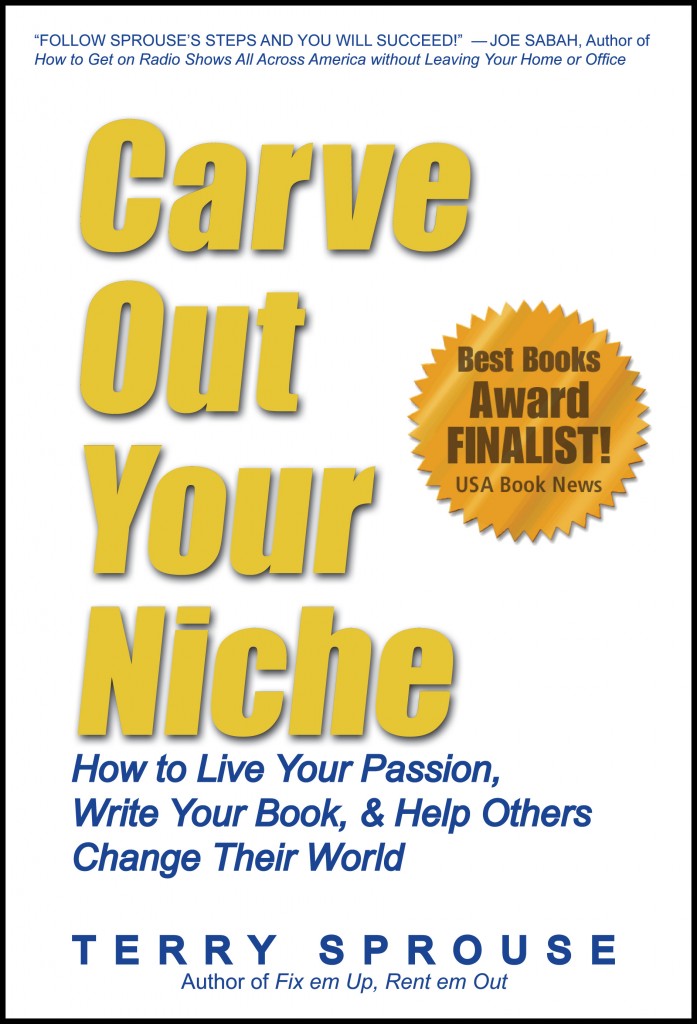
“Carve Out Your Niche” TV Interview Monday

Share

Efficient Design – Green adds Green

Tuesday, January 17th, 2012

This is a guest post by: Erik Braunitzer of Douglas Elliman Real Estate Company, agents for NYC Apartments.

The bathroom is an essential part of most every home. However, the bathroom is also an area that is often neglected when it comes to creating an environmentally friendly and green space. Luckily, when designing or remodeling your home, the nation-wide renewed focus on green living has opened up an entire marketplace full of green items.

And what most homeowners and contractors don’t realize is that going green really boosts the value of your home. Things like geothermal heat, 95% efficient furnaces and walls made with reclaimed materials are just a few examples of expensive but worthwhile home investments. One of my favorite areas of focus is the bathroom.

Recycled Glass Tile: Tile is a commonly used throughout the bathroom, from floors and shower walls to backsplashes and accent work. Consider using recycled glass tiles, which come in a wide range of colors, shapes and sizes. Recycled glass tile is installed in the same manner as regular tile, and can come in pre-spaced squares allowing for easy installation and grouting.

Sustainable Harvested Woods: Wood is often used for vanities and even flooring for bathroom spaces. However, many wood products require the use of environmentally unfriendly or even illegal logging practices to supply the material. Choose products with a Forest Stewardship Council approved sticker on them, or choose more environmentally friendly products like bamboo, cork or wheat straw. Storm-feld tree products are also an option for a greener bathroom. Avoid wood products made from particle board, which often contains formaldehyde.

Recycled Metals: Recycled metals can be used in your bathroom from cabinet pulls to fixtures. Look for products such as recycled metal counter tops, vessel sinks made from recycled metal, recycled aluminum tiles, salvaged brass faucets, and recycled bronze metal hardware.

Composite Terrazzo: Another way to use recycled materials for vanity countertops is through composite terrazzo products. These counter tops are made from a wide range of different materials, such as recycled glass, which is then combined with an epoxy binder or cement to create the hard and formed surface of the countertop. Because there are different types and colors of materials used in each piece, you get a unique finished look to the product you install.

Salvaged Products: Whenever possible, try to use recycled salvaged products in your bathroom remodel. Often times home owners will get rid of light fixtures, cabinets or sinks that are still in style, but that do not fit their own current personal style. Purchasing these products from salvage stores reduces the chances that the product will find its way into a landfill, as well as can provide a unique or vintage look to your bathroom space.

Windows: Install windows in your bathroom to bring in natural light. The more natural light you have flowing into your bathroom, the more open it will feel and the less electricity you will need to use, which reduces your energy waste and brings down your electric bills. Install Energy Star rated windows to help reduce the loss of heat or cold air during the winter or summer months.

Toilet: Toilets make up a significant portion of water usage in most households. Each flush can waste gallons of water, even though newer toilet designs can provide the same performance with less water. Look for toilets made to the HET Standard (or High Efficiency Toilet) which guarantees you’ll be using less water with each flush.

While these steps may seem small, every choice helps create a better world for you, your family and generations to come. By making these simple choices, you can make a positive impact on the environment, all without sacrificing style or function in your bathroom.

Share

Background Checks for Tenants

Wednesday, December 28th, 2011

This is your way to verify that the impressions you have of your applicants are true. Everyone who wants to rent my house has to fill out an application form. I will select usually the top one or two candidates, based on the processes mentioned above, and then call all the references and former landlords listed on the application form.

Always try to verify the references by telephone. You wouldn’t be the first landlord to be given a fake reference, and people will often give more candid opinions when you speak to them.

I don’t run credit checks, but I do like to see copies of their paychecks. I do a criminal background check by searching county court house records, and I check the sex offender’s registry list.

A high priority for me is that they make enough money to pay the rent. Don’t go by what they say; go by what their paycheck says.

They may say, “So anyway, my wife/girlfriend is going to get a job in a couple of weeks, and we operate a successful E-bay business, so the rental payments won’t be a problem.” Weeks turn into years and all the while they will have trouble making their monthly payments. Someone who has a stable, good paying job is an ideal tenant.

3 Books that Changed My Life

Are You Big Enough to Pay it Forward?

Share

Avoid Perfectionism with Fixer Upper Houses

Wednesday, July 6th, 2011

Govern a great nation as you would cook a small fish. Do not overdo it.
–Lao Tzu

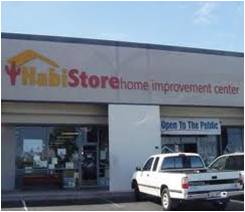
A key to fixing up a house is to know when to stop fixing up. You want the house to look good, yet you know that people are not going to care for your house the same way that you would. For rental properties, I don’t purchase the most costly, or even new, materials. I do a lot of my shopping at stores that recycle construction materials, like Habitat for Humanity’s Re-stores. You can get bargain basement prices on things like doors, kitchen cabinets, hinges, toilets, paint.

Need I say more? It’s a fixer-upper person’s paradise.

If I know that I am going to sell the house I may install higher grade of materials, especially where it really counts, like the kitchens and bathrooms. As Lawrence Dworin says in Profits in Buying & Renovating Homes:

“It’s easy to get carried away on renovation projects – wasting time and money on repairs that buyers won’t pay extra for. I assume you like to do good work. We all do. And we’d like every finished project to be a showplace. But you can’t make money that way. Your buyers have a limit on what they’re willing to pay. That’s why you’ve got to limit repair costs. In this business, you concentrate on fixing code violations and creating a clean, safe, livable house.”

Share