Archive for the ‘rental management’ Category

“Turn Your Home Into a Rental House!” finally sees the light of day

Wednesday, May 15th, 2013


Although it took a little longer than we anticipated, “Turn Your House Into a Rental House Instead of Selling It!” has finally popped out of the incubator and is available as a paperback book.

In a nutshell, what is this book about?

With my charming wife and business partner, Angy, as co-author, we have created a guide on how to find properties, live in them, and then turn them into a rental house, instead of selling them.

According to the “American Association of Realtors,” the average American purchases seven houses during their lifetime. Angy and I believe that those seven houses should be converted into rental houses and held for the rest of our lives. They are valuable assets that will generate monthly income for the hard years to come, and provide further assurance of long-term economic family security. Like the old folktale says: “Don’t kill the goose that lays the golden eggs.”

How does this book help the average Joe?

We show the average Joe where to find the best properties, how to pay for your houses, property inspection, the nitty-gritty steps on how to prepare your new rental house for tenants, how to attract and screen tenants, managing tenants, and complying with EPA regulations. The appendix includes samples of leases, property inspection sheets, tenant selection rating sheets, and many other valuable forms to get you started in your rental house business.

What do millionaires do that most people don’t do? 

Go into politics?

Buy their own Starbucks?

Become a bearded recluse?

Well, those are some of the things they do, but according to Thomas Stanley, in The Millionaire Next Door, most American millionaires own their own houses, and they own at least one rental property.

Our perspective is, “If it works for millionaires, it ought to work for us too.”

Our hope is that this book will inspire you to buy a rental property and to receive the enormous benefits from that one bold action. Even if you buy just one rental property throughout the course of your entire life, your economic picture will almost immediately get better.

You may wonder, as we did, “Why didn’t we do this a long time ago?”

Where do we order this book?

Click here to order the book through Amazon.com.

—–

Recommended reading:

The Short and Sweet Guide to Target Retirement Funds at Fearless Men

Creating an Outsourcing Master Plan For Your Business at Louisville Gals

Top Sights In Australia For The Adventure Seeker at Untemplater

Is There Right Time to Buy Real Estate? at KrantCents

How To Easily Reduce Your Utility Costs | 5 Simple Steps FRugal Habits

How Big Should Your Emergency Fund Be? at Work Save Live

Working Towards A Debt Free Lifestyle In 8 Steps at Canadian Budget Binder

Help Me Spend $1100! at Eyes on the Dollar

How You Can Start Freelancing at the End of This Article at Modest Money

Don’t Make This Mistake, If You Want to Keep Good Tenants

Saturday, September 1st, 2012

Where’s the problem?

The issue of respecting tenants’ privacy is really close to my heart, based on a perplexing experience that my wife, Angy, and I had.

Shorty after we were married, Angy and I were experiencing marital bliss on a our honeymoon in Mexico. We rented a house near the beach, and after a few days we mentioned to the landlord that the kitchen sink was draining too slowly.

The next day was Saturday, and we still in bed that morning. Angy was sleeping and Terry was reading The Hitchhikers Guide to the Galaxy, when we heard the back door opening. It sounded like two people were entering.

A happy Spongebob-ish called out, “We’re here to fix the sink.”

Terry yelled, “Hey, why are you guys here so early? We’re still in bed.”

The Spongebob voice said, “Sorry, we have a tight schedule to keep. It’s not easy being a handyman you know.”

“What did he say?” whispered Angy.

“He said its not easy being a handyman.”

“Well, that’s his problem isn’t it?”

“I would have thought so.”

Terry shouted out, “Can you guys come back later? We’re not prepared right now. And if you could avoid unloading your burdens on us we’d really appreciate it.”

“Come on,” said the cheerful voice, “we can fix this pipe in two shakes.” We could hear random tools dropping on the floor and bouncing around, followed by an exclamation of “Oops.”

“And we are really good guys. I read poetry and I’m good at carrying on interesting conversations.”

“And, I write novels,” the other one with a goofy, Patrick-ish voice chimed in, “although I haven’t had any published yet.”

Objections to the contrary, we had our sink fixed and the handymen did turn out to be pretty good guys. They became our friends over the course of our stay.

Although this was just a light-hearted incident, it was also an example of violation of tenants’ privacy. Not only is it wrong from a courtesy perspective, but it is also against the law to enter the premises without the tenant’s permission, except in an emergency.

The more you can make the tenants feel it is their home, like keeping a handyman poet and a Pulitzer Prize wannabe from showing up unannounced to their private living space, the better your relationship with them will be.


The 5 Rules on How to Lose Money and Get Your Rental Property Trashed by Tenants

Friday, August 10th, 2012

Tthe Arizona Network of Real Estate invited me to give a presentation to their group about my book “Fix em Up Rent em Out.”

I thought the video might be available to the general public but it looks as though that’s not going to happen.

However, so that no one feels left out, I am going to provide  a summary of the key points that I hit during the presentation. As someone who was regularly picked last for teams in gym class, I’m sensitive to people feeling left out. Casting modesty to the wind, I am also including exclusive photos of the event.

So here are:

The 5 Rules on How to Lose Money and Get Your Rental Property Trashed by Tenants (based on an article by Andrew Stefanczyk)

1. Choose the Worst Possible Area

Location will determine the kinds of tenants you will attract, and how much rent you can fairly charge.

Do you want these bearded wonders as tenants?

The best approach is to identify target areas in your city where you would like to focus your purchases. I like to focus on “transition zones” (where there is a mixture of housing types) which are good for investors because we can purchase properties at lower prices, and there is high demand to live in these areas.

2. Put in the very best of things when fixing up  an investment property

Use new and expensive sinks, doors, refrigerators, light fixtures, etc. Never shop at stores that recycle construction supplies. Spare no  expense.

Of course, the problem is that tenants will not take care of our properties as well as we would,

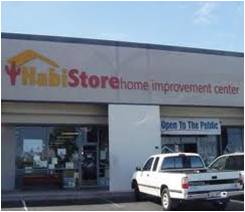
Habitat Store

so we end up with many broken or worn out items. The better alternative is to shop at used building supply stores, and to purchase good, inexpensive, supplies for our rental houses. One such store is the Habitat for Humanity store.

3. Make sure you have absolutely no experience in make basic repairs

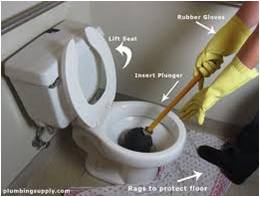
Not knowing how to change electrical outlets, unclog drains & toilets, and replace broken windows will cost quite a bit down the road.

The better way is to:

A. Learn as you go, and comply with EPA regulations

B. Take construction classes at junior college

C. Learn from handymen and contractors

D. Take the Zen approach to  house repair learn to do everything yourself

5. Utilize fix-up books, investing books, & YouTube to find answers on how to make house repairs

4. Do not screen your tenants

Being as uninformed as possible about who you rent to may be the best way to lose money as a landlord. Do not ask for or check references. Do not call previous landlords and ask questions like, did they pay rent on time? How was the condition of the house or apartment when they left? Did they ever disturb neighbors with loud music or shouting matches? How often would you have to make special trips for repairs? Being as uninformed as possible about whom you rent to will make a huge difference and will increase the chances that you will get tenants that will trash your property and refuse to pay rent.

However, the better way is to:

A. Use a checklist for tenants. Decide what kind of tenant that you want ahead of time.

B. Look at their paycheck to verify income.

C. Check county records to see what illegal activities they’ve been up to.

D. Know the Fair Housing Act. Never select tenants based strictly on “race, color, national origin, religion, sex, familial status or handicap (disability).”

E. To find new tenants, use Craiglist, put up arrow signs, and host an “open house.”

5. Make sure you have not learned about your rights as a landlord

Be completely unfamiliar with the eviction process to guarantee long, drawn out disputes with tenants. Don’t keep up to date financial records or copies of correspondence with tenants. Most states provide online information about tenant and landlord rights so avoid reading these.

The better way is:

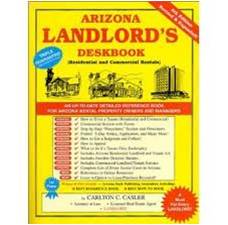
A. Get an authoritative legal guide like  “The Arizona Landlord Deskbook” by Carlton Cassler.

B.  Copy forms and letters from your legal book to send to tenants.

C. Comply with legal ways to deal with bad tenants.

D. Use memos to communicate with tenants so you have a record of correspondence.

E. Use a month to month lease instead of long-term lease to more easily scrape off bad tenants like barnacles.

F. Reward tenants for paying on time by discounting their rent $25.  

G. Send good tenants Target  gift cards for Xmas.

In Conclusion

Share Your Knowledge

“Each of us has cause to think with deep gratitude of those who have lighted the flame within us.”

–Albert Schweitzer

Carve Out Your Niche Update

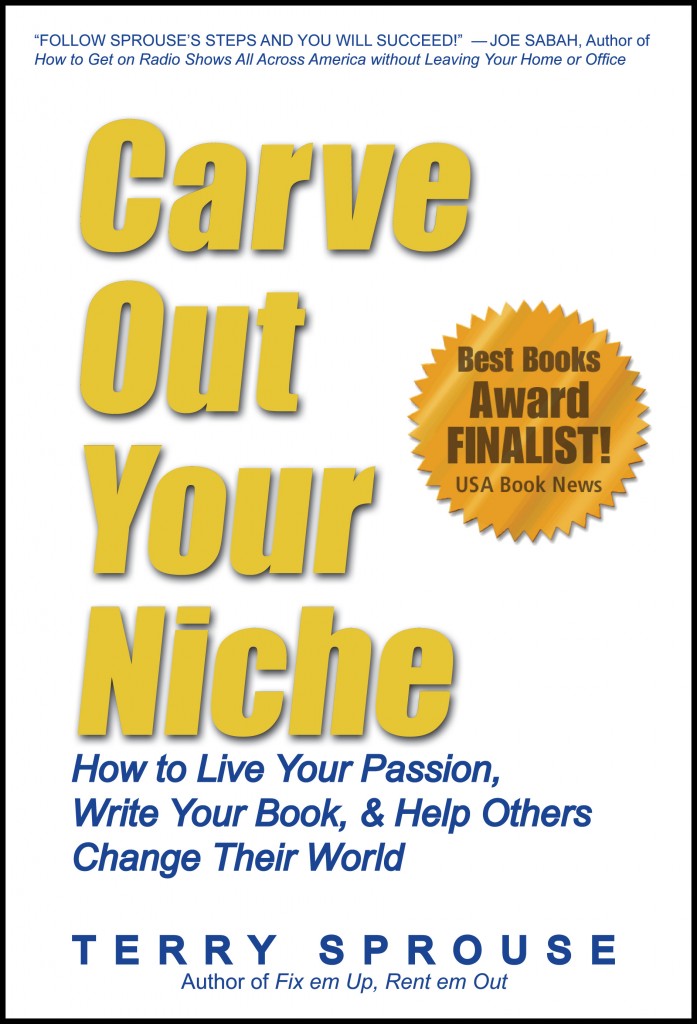
My award-winning book on self-publishing, Carve Out Your Niche, is now available in Kindle format.

The Midwest Book Review called Carve Out Your Niche,

“Invaluable for anyone seeking to successfully write, publish, and market their own work.”

Required Roof Maintenance for Fixer Upper Houses

Monday, July 2nd, 2012

One of the jobs associated with operating a fixer upper and rental house business is to keep your rental properties in ship shape!

With the annual approach of summer rains, now is almost the last chance to make rental house roofs water proof before the watery onslaught. As someone who has a sworn aversion for arriving too early to parties, I subscribe to the time-tested philosophy of “better late than never.”

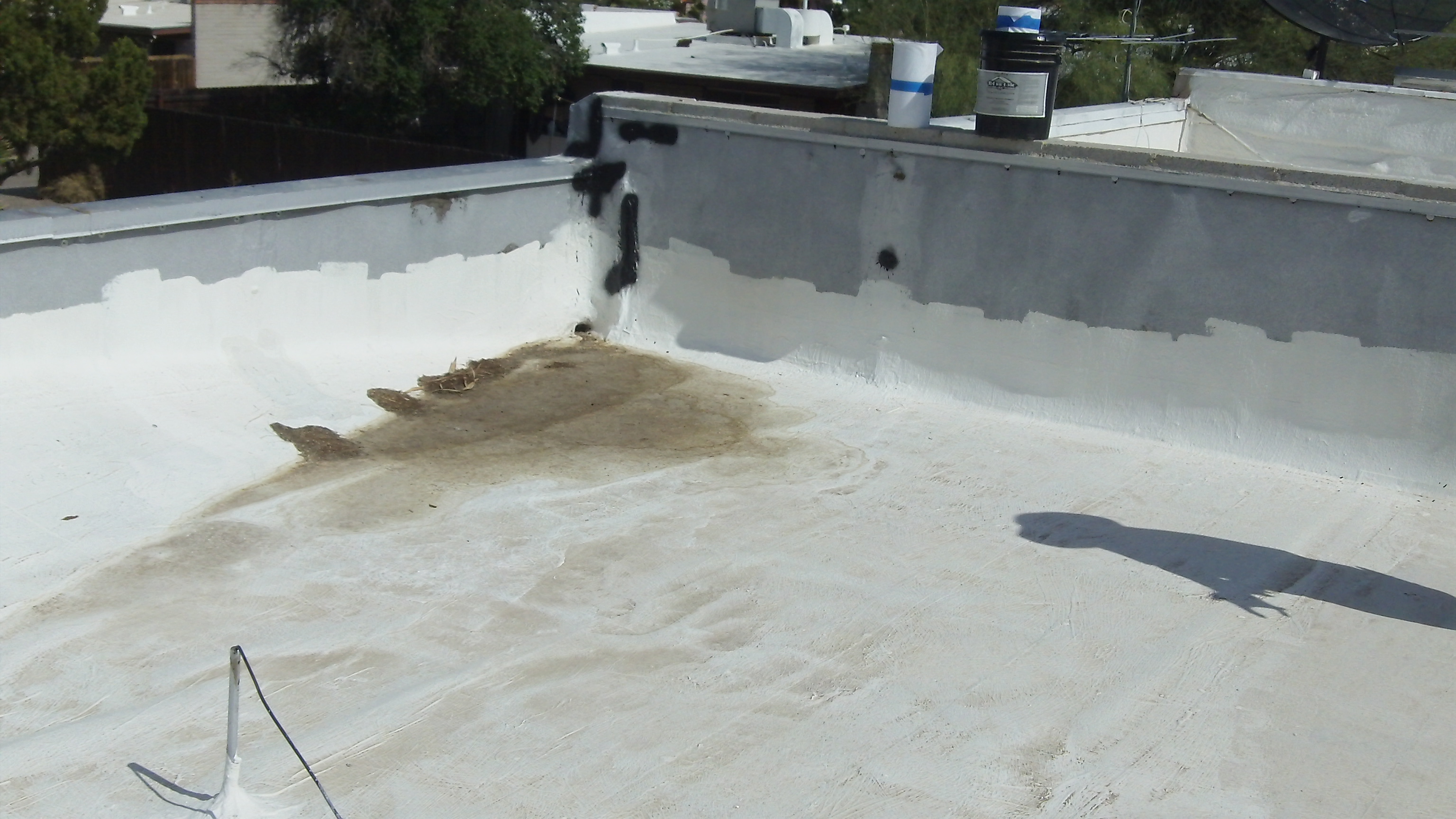
This morning I applied some black roofing cement on some areas on one of my townhouse roofs. I had located some cracks upon my inspection of it about 2 weeks ago.

The first photo shows the area in question, where I had previously applied a small amount of plastic roofing cement, but today I was going to put on some more and cover a broader area.

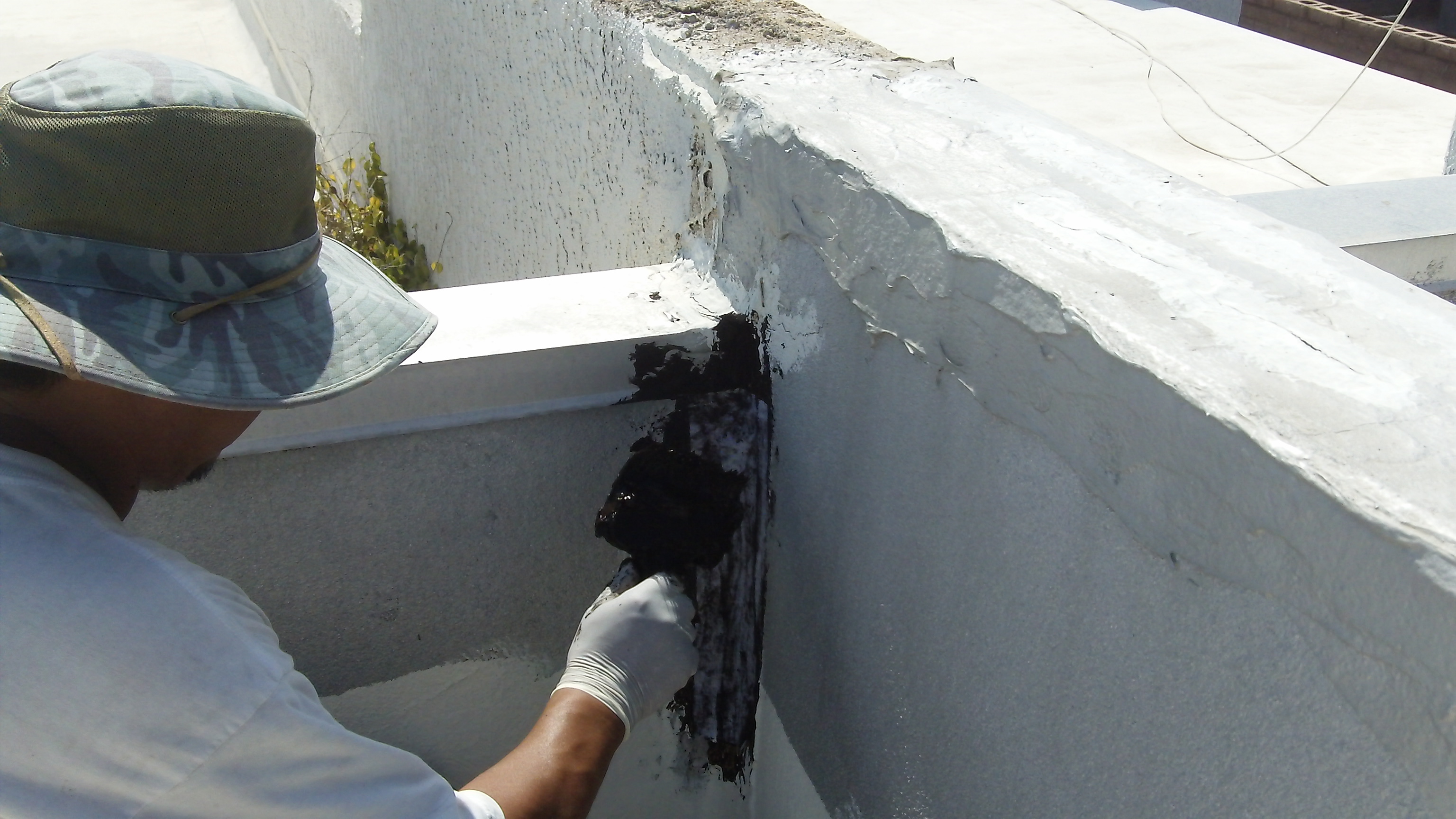
Before picture

The second photo shows the application of the plastic roofing cement. We apply one layer of cement, then put a white membrane on top of that, followed by a second layer of cement. The membrane allows for more cement to be applied.

Application of roofing cement

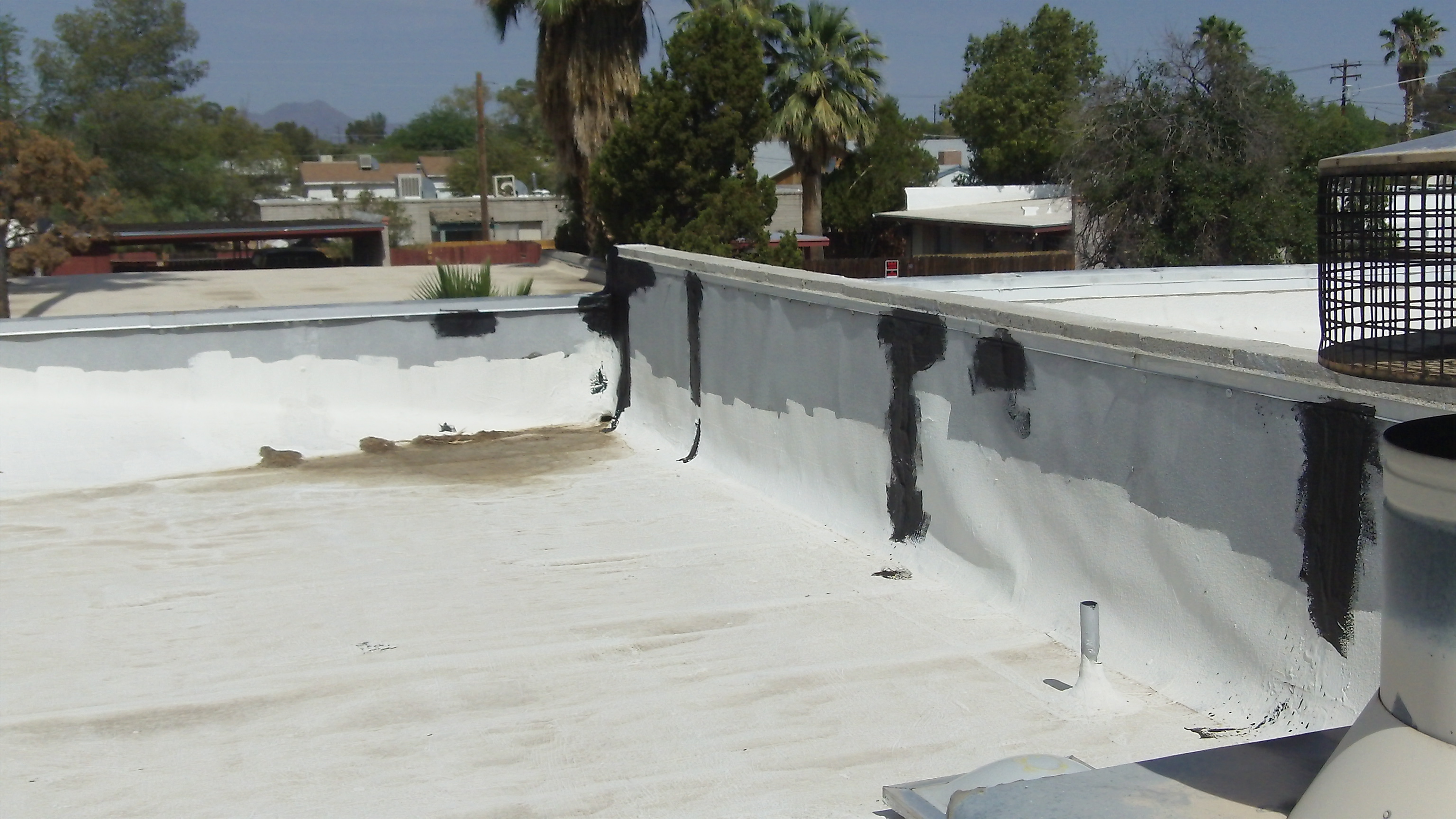
Below is the “after” photo. You can see that in addition to the corner, we hit a few other cracks with our roofing cement on the sides of theroof. Later, we’ll come back with white roofing paint to cover the black cement.

Completed repair

A good rental house

My wife and I purchased this 2 bed 2 bath townhouse in 1993 and lived in it for 10 years before moving on to a bigger house (to accomodate our growing family), and turning this property into a rental house in 2003.

Its been one of our best rental houses because it is in a “transition” zone (aka “opportunity zones”) where there is heavy demand for housing, and it is easy to care for because it is compact (1100 sq ft with small front and back yards). The townhouse perfect for single people or small families.

We originally purchased it for $53,000 and we charge $750/month (more if the tenants have pets).

How Take Care of Tenants for the Holidays

Thursday, December 15th, 2011

How should your treat tenants? Treat tenants the way that you would like to be treated.

Think about it, at some point we have probably all been tenants. When I was a tenant, I wanted the landlord to respond to my problems around the house, I didn’t want rate increases, and I wanted to feel that the place that I was renting was my home.

Most tenants are just like you and I, and they deserve our utmost respect, especially over the holidays.

Here are my 4 key tips on how to keep good tenants

1. Practice good communication

The desires of most tenants are fairly common, and easy to identify. Good tenants don’t like noisy neighbors, appliances or other items in their rental property that don’t work, and frequent rent increases. Fortunately, good communication can take care of most of these problems.

One great pet peeve of tenants is when they have landlords who are as slow as snails to respond to their needs. Does it take you 2 hours to watch the television show “60 Minutes”? Then maybe you’re too slow.

If you are slow to respond to your tenant requests for help, you will be perceived as uncaring. The reason for this perception is because you don’t have good communications with your tenants.

Any time a tenant calls me, I will almost immediately return their call. Even though I work a regular 8:00 to 5:00 job, I can still manage my rental house business by having my cell phone with me everywhere I go. This way, I can deal quickly with tenant issues that may become exponentially worse (like a broken water pipe), if I waited to deal with it until I got home from work.

A phone call is good when you need to quickly get in contact with your tenant, but if it’s not an urgent matter, my preferred means of communication with tenants is by sending them memos by regular mail.

For example, if the tenant is not keeping up the yard work around their rental property, I will write them a note in a calm and respectful manner identifying the problem. I make a reference to the section of the contract that requires them to keep up the yard, and asking them to take care of it. A phone call could easily turn into a heated conversation, but with a memo, the tone stays calm and the point gets made. And, I have a written record of what I have told them that I keep in the tenants file folder.

I keep our tenants informed about activities that I have planned for their property. I will send a memo out and let them know well ahead of time if I plan to do some preventative maintenance, on the roof, for example. If a plumber cancels an appointment, I’ll call them so they are not waiting around all afternoon for no reason. It’s really just practicing common courtesy.

2. Timely responses to repair requests

I’ll admit that when I first became a landlord in 2002, this was a low priority on my list. I used to cringe when I’d answer the phone and a tenant would be on the line with a repair request. I knew I was going to have to spend some of my valuable time and hard-earned money to deal with a maintenance request. I would sometimes let the repair linger instead of jumping right on it.

Now, I look at it as an opportunity to show the tenants that I take their problems seriously, and I respond to their concerns immediately. I have a busy schedule, but my tenants have busy schedules too.

Keeping my good tenants happy is my highest priority because it directly affects my profits. The less turnover I have in my properties the more money I make.

What has helped me to respond quickly is that I have accumulated a list of good repair professionals over time. I have plumbers, an air conditioner company, handymen, and other professionals that I trust, on the speed dial of my cell phone, so that I can get them working on a repair without delay.

3. Rental fee Increases

I know that many landlords feel the need to regularly raise tenant rental fees. For obvious reasons, this can stir up the resentment of tenants and may cause them to think about looking for a new property.

I don’t have this problem because the only time I raise rents are when one tenant moves out and another one moves in. My philosophy is, why give the tenants any reason to look for another place to live?

In the case of rent increases for extremely long-term tenants, I think that tenants don’t mind paying a fair and competitive price, as long as it doesn’t seem like an exorbitant increase to them.

4. Warm Their Holiday with a Gift (card)

I may have said this before, but it bears repeating, remember your tenants during the holiday. The holidays are a great time to build the relationship that you have with your tenants. I have established a holiday tradition of buying my tenants a gift card from Target.

Don’t be a Grinch, at the very least, send a nice card.

For more information on giving gift cart for tenants see:A Holiday Tip for Keeping Good Tenants

Are You Big Enough to Pay it Forward?

5 Tips to Attract Tenants to Your Rental House Like Elepants to Peanut Butter(video)

Saturday, January 8th, 2011

In these 5 Steps you will master my secrets of how to drive tenants to your rental property. Learn which signs work best, where to advertise, and how to word ads and flyers so as to reduce unnecessary calls for information.

Hit a Holiday Home Run for Your Tenants

Wednesday, December 15th, 2010

Remember your tenants during the holidays with a gift card. This shows them that you are in it for more than the money.

When I was a Peace Corps Volunteer in Honduras, the people I worked with went out of their way to make me feel I welcome and cared for. I try to do the same with my tenants.

Be kind to your tenants and treat them the way you would like to be treated and they will return the favor by taking care of your property, and by providing you with financial security for years to come.

How to Prepare a New Rental House for Tenants (video)

Sunday, December 12th, 2010

Get your rental house ready for tenants by following my 5 steps.

I also recommend four of my favorite repair books for your real estate library to guide you through the process of repairing appliances, sinks, electrical outlets, and almost any other repair issue that you may encounter.

How to Find Tenants

Thursday, April 8th, 2010


Here is a recent email that I received from someone who is taking my 7-Week email course, and my response:

Dear Terry,

We bought one fixer upper but are having trouble renting it — any ideas of good places to advertise for a tenant?

Thanks in advance,

Jean xxxx

Hi Jean,

Let me suggest a few techniques that that have worked for me:

1. Place several small For Rent signs on all nearby streets, especially the major intersections. If you get a sign with an arrow on it, you can point the arrow in the direction of your house. I buy the signs at Home Depot or Lowe’s.
2. Hold an “open house” on Saturday and Sunday. People driving by can come in and look around.
3. Contact companies that help people find rental properties. Some will list your property for free. These companies usually contact me.
4. Run an ad on craigslist.org. You can upload photos and describe the qualities of your rental property. The ads are free & I usually get a great response.

I hope you find a tenant soon.

Let me know if you come up with a good technique that I haven’t thought of.

Good luck!

Best regards,

Terry Sprouse

Location, Location, …

One thing I didn’t mention in the letter, but which is perhaps the most important consideration of all in attracting good tenants, is the location of your property. Properties located where people really like to rent are called “opportunity zones” (or “transition zones”).  Just as Baskin-Robbins must offer the flavors of ice cream that the public likes, so you must offer rental properties in the areas of town where people want to live.

If your property is located in an area where people don’t like to rent, you will always have trouble finding tenants. For more information about my philosophy on where to invest, check out my EzineArticles.com article The Secret to Increasing Cash Flow – Invest in Opportunity Zones .

Swimming Pool Issue

Friday, September 26th, 2008

.
.

The search continues for a new investment house. As soon as my wife and I identify & purchase our next fixer-upper, we will move into it and rent out the one we are in now.

A lingering question related to our present house that we haven’t resolved yet is, what do we do with the swimming pool in the back yard? When we bought the house, the pool had already been installed, but it was missing a pump, it doesn’t have a guard fence, and it probably needs to be painted. We have put off the decision of what to do with the pool until last.

Initially, the plan was fix the pool and sell the house. Now that it will become a rental, the question arises “what if a tenant falls in the pool and drowns?”. Wouldn’t it be better to just put a cover over it and not fill it with water? My inclination is the later.

Watch this space for further developments . . .

Add to Technorati Favorites

Subscribe in a reader

Share this: del.icio.us | Digg | Ma.gnolia | Reddit | Stumble Upon |